


It can be distracting and uncomfortable to be non-consenting background fodder in someone’s videos when you’re out at a restaurant, and that’s when you can see the filming taking place. It’s deeply disconcerting to know that you could be being filmed without even being aware — via the medium of Meta glasses. They look very much like normal glasses, but have a red light that can be seen when they are recording. Unless it’s been covered up, of course. For content creators and even some chefs, they surely seem like a great way to record authentic content without the hassle of a phone. But are they worth the risk?
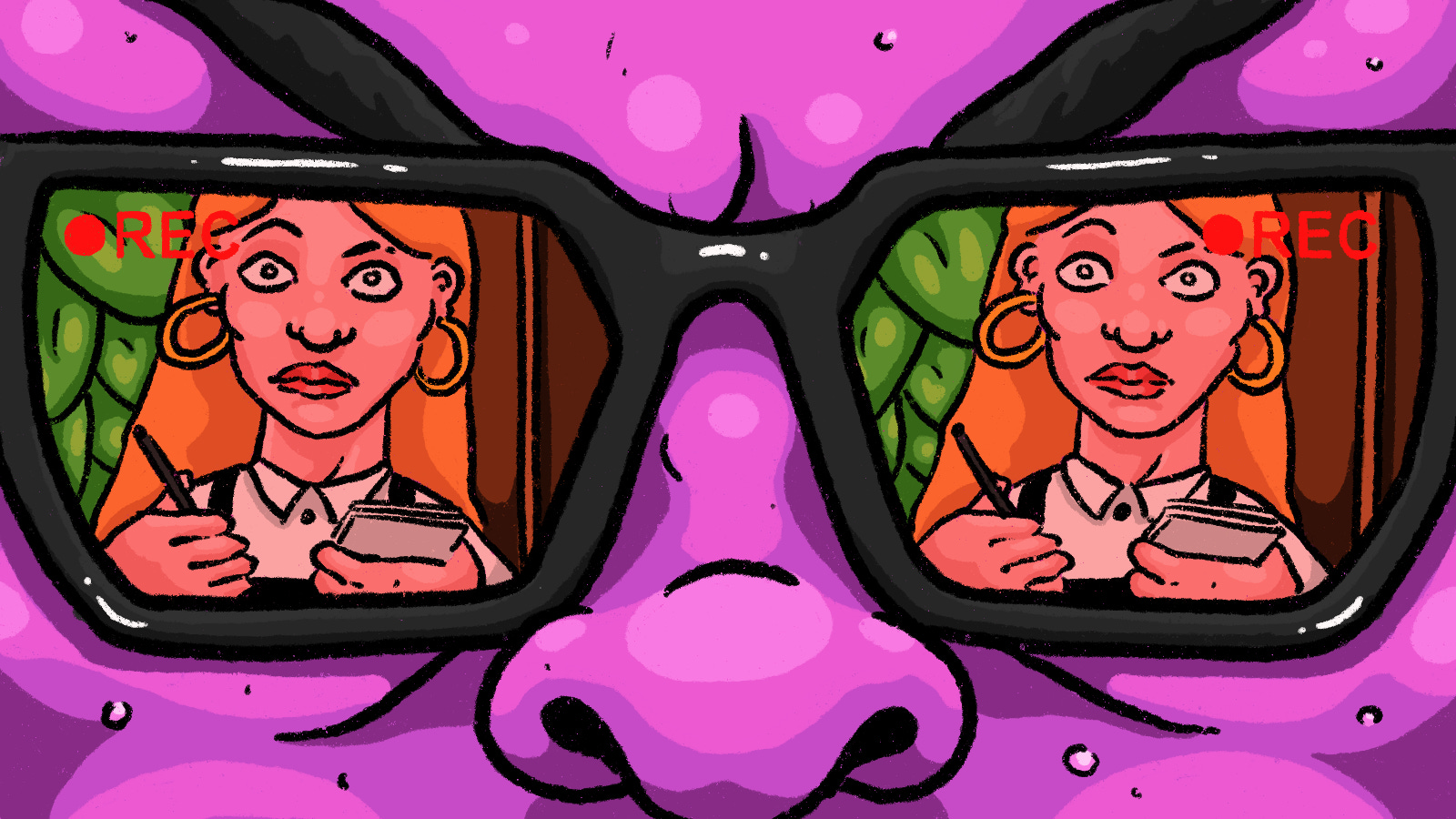
The invention of Meta glasses was a Bob Dylan-going-electric moment for online creeps. Whether it’s being ambushed by street interviewers, or so-called auditors quoting the Magna Carta in your face, you’re never too far away from unwittingly becoming the star in someone else’s “content”. They’re even banned from Wetherspoons, joining a list of miscreants you do not want to find yourself on.
In an effort to diversify the market away from perverts and pick-up artists, the tech giant has made an attempt to court less controversial creators, particularly those who cover food:
“Content creation often pulls you out of the very experience that you’re trying to share. But what if you could produce high-quality food-related content discreetly and hands-free?... Ray-Ban Meta glasses combine advanced technology with classic style to blend into your everyday look. Whether you’re fine-dining or exploring food trucks in local markets, capture your food journey without drawing attention”
Now, if that sounds to you like an exciting innovation, as opposed to a product specifically designed to infringe upon your privacy, then I suggest that you close this article, and go back to generating AI images of yourself as children’s TV characters from the 90s.
Nascent Meta glass adopters in this space, such as American creator Elizabetheatsnyc, initially faced major backlash. Her early restaurant videos were filmed and posted without the knowledge of staff or customers, who, in the face of her awkward, off-putting persona, often became the butt of the joke. Over time, her irreverent sense of humour and focus on small businesses slowly pacified audiences once strongly against the technology, opening the door for others to copy and adapt the format. The glasses were no longer the preserve of predators, and Meta had got their wish.
As of writing, Bristol’s independent food scene is largely viewed through these lenses, and in all fairness, not all of the videos are recorded in secret, but unless explicitly stated, it’s becoming increasingly difficult to ascertain whether or not prior consent to film was sought.
For example, take a recent video about an Italian restaurant, currently boasting over a million views across Instagram and TikTok. The bespectacled customer finds the restaurant empty, and orders a three course meal whilst having a friendly back-and-forth with the elderly Italian proprietor. It’s all very wholesome, so much so that it’s easy to miss that a few weeks later in a follow up clip, it’s revealed that the owner actually had no idea that he was being recorded.
To his credit, he took it pretty well (after all, it’s good for business), and the video’s creator also assured a concerned commenter that they usually request permission to film, and that this was a rare slip-up. Still, even if this was a genuine anomaly, I was absolutely baffled by how a tiny number of critical voices were being dwarfed by praise for the person filming. In fact, the secretive filming was lauded across multiple of their comment sections, presumably due to the ability of Meta glasses to capture unguarded, supposedly authentic moments.
Instead, the on-camera humility presented by these covert cameramen becomes something altogether more transactional, with the restaurateur, the real focal point of the video, completely stripped of any control over how their image is to be used. These creators often pitch themselves as selfless supporters of local businesses, distancing themselves from other influencers who their audience perceive as being solely motivated by free meals and brand deals, despite themselves regularly being up to their eyeballs in sponcon. Maintaining an image as “one of the good ones” seemingly exempts you from criticism towards your questionable filming practices, whilst simultaneously normalising the use of a technology that’s specifically designed to secretly violate people’s privacy.
As ever, the moral of the story is that altruism is fundamentally incompatible with modern-day social media. There are far too many viewers to keep engaged and money to be made for basic human decency to get in the way of a good story. Take it from me, the last time someone waved a charming older gent in front of me in the name of charity, all the money I donated ended up being blown on a private spa complex.
All words by Tristan Rendell, illustration by Tom Davies
Do you have a bone to pick with Bristol’s food scene? Get in touch.
The Bristol Sauce is an AI free publication — all our work is written and edited by humans.
Find Bristol’s best restaurants on the go with The Bristol Sauce app — available exclusively to paying Saucers.

Good subject. Personally I cannot fathom how society allows such things to exist and be legal as it is yet another ‘digital’ tool that we have delivered into the hands of the shit show that humanity iis without really thinking it through. The many completely brilliant people are controlled and let down by the few, and we don’t seem to have noticed it. There is a food ‘influencer’ in Bristol , who appeared to be using the twat glasses when I saw a reference on an instagram post. Irrespective of his honesty, I have stopped following him as a principle.
There's a cafe owner here who wears incessantly and films continuously. The reddest of red flags.