


I feel like I’ve been waiting years for PXandTarts to write this Bone to Pick, but it was worth the wait. The card-only debate is not a new one, but I don’t think anyone has yet been so eloquent about all the reasons that restaurants should continue to accept cash. What do you think? We’d love to read your thoughts in the comments. My hope is that the Bone to Pick series starts conversations; discussions that make Bristol’s dining scene better. If you’d like to write a Bone to Pick, get in touch. If you want to support The Bristol Sauce, please consider becoming a paying subscriber. Hilariously, it’s card only.
Some restaurants in Japan have ‘Japanese only’ signs on their doors in an attempt to prevent an unwelcome influx of tourists. In the UK, some restaurants have similar signs reading ‘no old people, no immigrants, no sex workers.’ Well, they actually say ‘card only’ but it might as well be the same thing.
According to a study published in March, one in seven shops turned cashless this year. The numbers for restaurants are likely to be similar. Certainly some larger chains — alongside a handful of notable independents, in Bristol and beyond — have adopted the model.
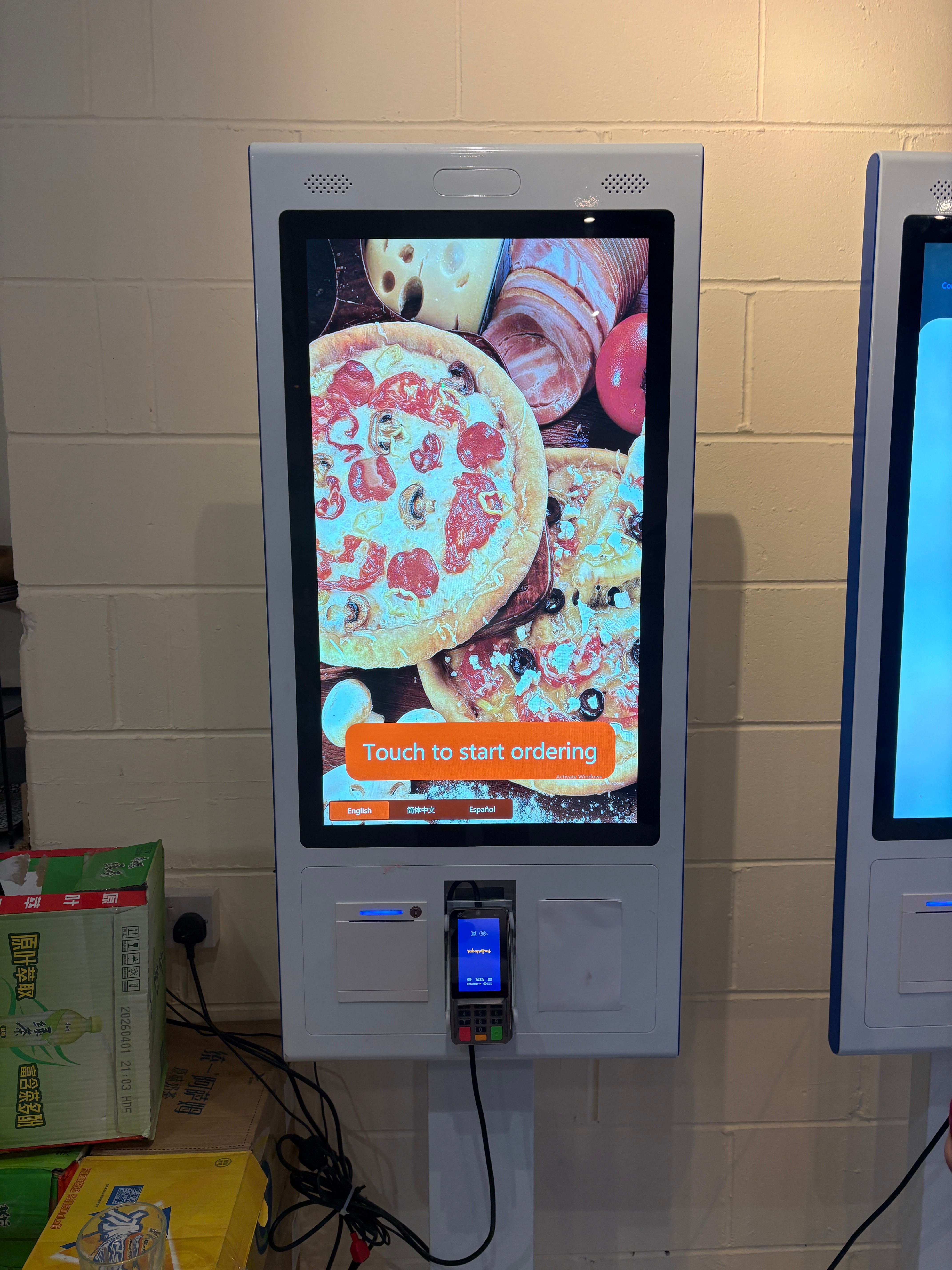
We’re all aware of the supposed benefits: faster transaction speed, lower risk of theft, increased average spend, though that last one is disputed. But is increased speed really something we desire when going out for a meal? Maybe at McDonald’s. But otherwise a meal out is a chance to slow down, relax, immerse yourself in the restaurant, the food, the company. Consumer sentiment remains, mercifully, dead against the Covid-era scourge of scan-the-QR-code-for-your-menus. Demanding the use of technology as a payment method seems to be falling into the same trap; at the bottom, a pit of faceless service, vacuously efficient. Paying with your phone is like writing with AI: undeniably quicker yet vaguely unsatisfying.
A University of Surrey study on this topic two years ago concluded: ‘The visceral nature of cash—its smell, feel, and the act of counting it—creates an emotional connection that digital payments lack. When we handle cash, we are not just spending money; we are parting with a piece of ourselves.’
Yet this isn’t the real reason why the pervasive shift away from real-life money is so dangerous. It is a much more simple, immediate one: exclusion. Huge swathes of society still rely on cash, and for a variety of reasons. Some for budgeting, especially those on lower incomes or who struggle with maths and managing finances. Others, particularly but not limited to the elderly, are less adept with technology and find the process unnecessary or confusing. More still don’t, or can’t, have bank accounts, and thus debit or credit cards. This last category can include everything from those suffering from homelessness to immigrants to victims of domestic violence to sex workers, who can have their bank accounts closed down and their (very) hard-earned money siphoned away with no warning. It’s no wonder that many prefer to operate in cash.
Yes, the jingle of coppers in your pocket might feel somewhat anachronistic in the modern era. But arguably so is going out to eat full stop. Let’s all just drink Huel and pay for things with microchips embedded into our hands, shall we? Where’s the romance?
That microchip thing, by the way. Not science fiction. The New York Times reported in 2018 that 4,000 Swedes had undergone such a procedure, allowing them to buy their kanelbullar with a deft flick of the wrist. However, following a rare government U-turn (to be fair, it probably is actually rare in Scandinavia), citizens are now urged to keep at least a week’s worth of cash at home due to increasing cyber crime and the threat from Russia. In a world where French supplies of crème glacée can be defrosted by hackers in their pyjamas, it is hardly surprising some potentially less tech-savvy, or trusting, members of the public want to stay more analogue. Plenty of places are quick enough to dust off the cobwebs and crack the tills back out when, for whatever reason, technology lets them down. If they can do it then, why not all the time?
In a similar vein, with personal privacy an increasing concern for many, a significant number of consumers are reluctant to hand over their purchasing data to unknown, potentially malicious, entities. Without wanting to get too Black Mirror about it, is it beyond the realms of imagination to see the government slashing someone’s PIP for enjoying a birthday meal out? With Suella Braverman in politics, I daresay it isn’t.
Physical cash is also more likely to be spent within, and therefore benefit, the local community rather than being siphoned off into the ever more bulging pockets of Jeff Bezos, who can somehow both kill and swell the Amazon concurrently, or Elon Musk, who’ll only use it to help further segregate UK society.
Of course, there might be the odd cash-in-hand tax dodger tucking into their steak fries in the corner table, but if that’s really a concern, maybe take a harder look at that table of six bankers chugging back the claret and whacking their whole meal on expenses. For balance, I also think cash only establishments are increasingly unsustainable, and equally anti-consumer in their own way (after all, most people do want to pay by card these days, and plenty of us don’t even carry coins or notes).
Refusing to take cash could even be illegal. I don’t know if this has ever been put to the test but discrimination based on any of nine protected characteristics is illegal under the Equality Act 2010. Age and disability are both included, and it would be easy to see an argument being made. Certainly in New York, restaurants and other businesses, are mandated to accept cash for just such reasons. Indeed a YouGov survey in June 2023 revealed that 71 per cent of British adults would support a legal requirement for businesses to accept cash.
It shouldn’t ever come to the point where the teenager who has diligently saved up their pocket money (it is still a thing, my friends with kids assure me) for a special date, or an elderly couple taking their grandkids out for brunch are looked upon with disdain — real or imagined — as they flick through their wallet for the right amount. It’s as awkward as offering Mark Zuckerberg a pint of Guinness. You could claim these people aren’t your target audience. I’ve heard that argument. But it’s a slippery slope when you start self-selecting your customers. A little bit more empathy might be in order. Besides, situations change.
You might also say you make exceptions for situations such as these. By that point the damage is done. That person is embarrassed. Publicly shamed. Othered.
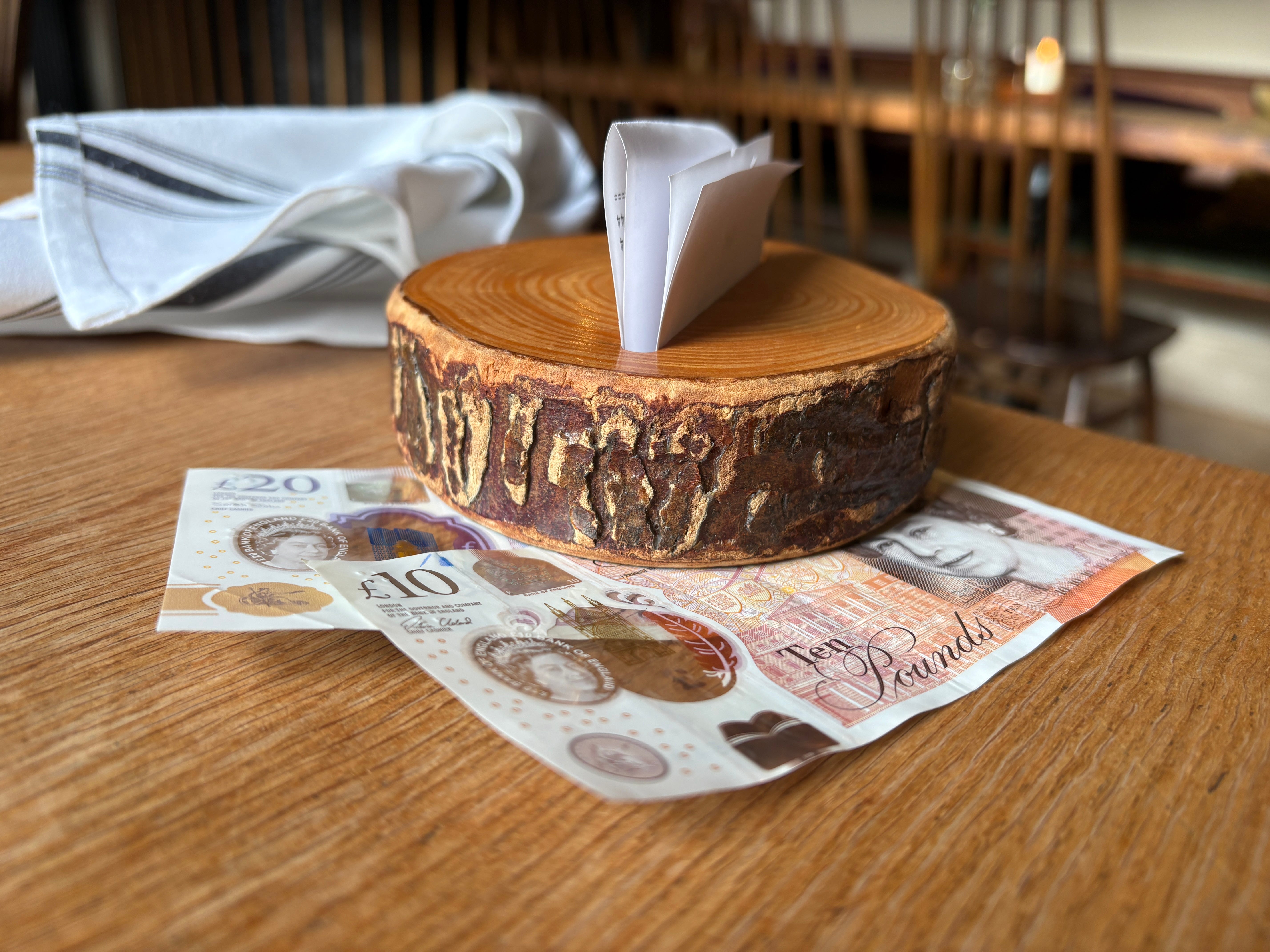
Yes, it might be slightly more inconvenient for you to take cash. It is also more inconvenient to offer table service. To take peanuts out of a dish for someone with an allergy. If you don’t want to be hospitable, don’t work in hospitality. If you really want to be part of your local community rather than just paying lip service to the idea, you’re gonna have to take my tenner.
All words by PXandTarts, photos by Meg Houghton-Gilmour
Do you have a bone to pick with Bristol’s food scene? Get in touch.
The Bristol Sauce is an AI free publication — all our work is written and edited by humans.
Find Bristol’s best restaurants on the go with The Bristol Sauce app — available exclusively to paying Saucers.
